
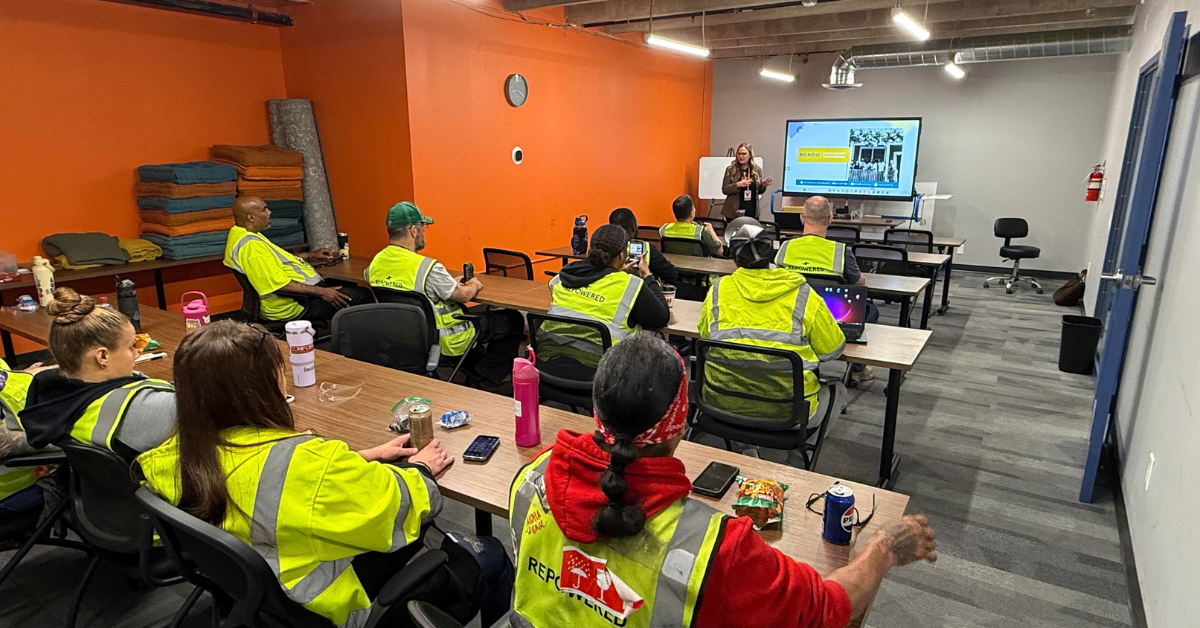
For Rondo CLT, creating an affordable path to homeownership is only the beginning. Supporting homeowners for the long term is just as important. As Housing and Compliance Manager, Karen Addoun oversees Rondo CLT’s residential programs across the full homeownership journey, from pre-purchase education and homebuyer programs to rehabilitation projects, post-purchase stewardship, and long-term compliance. She also leads the Housing Team, helping build the policies, partnerships, and resources that allow staff to provide consistent, thoughtful support to the households they serve. We sat down with Karen to talk about what that work looks like, why the relationship with homeowners extends well beyond closing, and what she is most proud of as the Housing Team continues to grow. As Rondo CLT’s Housing and Compliance Manager, what does your role look like day to day, and how does your work support both homeowners and the broader Housing Team? I oversee Rondo CLT’s residential programs across the full homeownership lifecycle, from pre-purchase preparation through long-term stewardship after closing. My work spans Pre-Purchase Education, our Homebuyer Initiated Program, Post-Purchase Stewardship, and oversight of our rental portfolio. I also lead our homeowner rehabilitation projects and identify new properties through our Acquisition/Resale Program, which expands the permanently affordable homeownership opportunities available to households approved through our program. Our work extends beyond the homeowners we serve. We also support renters in our homes and engage with the broader community to share the resources and opportunities Rondo CLT offers. I also oversee grant compliance across the organization. Rondo CLT’s work is made possible by partners who invest in our mission, and we take that responsibility seriously. Strong grant compliance ensures every resource is used as intended and makes a real difference, while sustaining our ability to create permanently affordable homeownership opportunities that keep land, opportunity, and legacy rooted in community. For the Housing Team, I provide leadership and direction across our residential programs. I work alongside staff to set priorities, problem-solve complex cases, and make sure every homeowner and homebuyer receives thoughtful, consistent support. I also build the foundation behind that support through clear policies, sound procedures, and practical tools that help our team work with confidence. Partnerships are a big part of my role as well. I build and maintain relationships with contractors, consultants, lenders, realtors, and community partners. These relationships extend what our team can offer and bring more resources to the households we serve. What does strong long-term homeowner support look like to you, and why is that ongoing relationship so important? Long-term homeowner support is built on trust. At Rondo CLT, we like to say we don’t drop homeowners into a funnel. Our relationship with a homebuyer begins well before closing and continues long after they become a homeowner. That ongoing relationship is at the heart of the community land trust model and Rondo CLT’s mission. That is why we continue to build out our Post-Purchase Stewardship program. It connects homeowners with resources that help them stay stable and successful in their homes, including foreclosure prevention support, utility bill assistance, energy efficiency programs, financial education, and home maintenance workshops. It also means helping homeowners preserve and improve their homes over time. I work directly with homeowners and contractors on rehabilitation projects, managing scope, bid review, and quality of work so critical repairs are completed safely and to a high standard. When homeowners face hardship, we act early. Rondo CLT is committed to preventing foreclosure in our portfolio. We work with lenders on repayment solutions and connect homeowners with partner organizations for additional support. Permanent affordability is not a single transaction. It is a long-term commitment to housing stability, and we are proud to walk alongside our homeowners for the life of their home. How do you balance compliance work with making the homebuying and homeownership experience feel approachable and supportive for families? Grant compliance and a people-centered approach are complementary, not competing, priorities. Compliance sustains the programs our community depends on, and a compassionate approach ensures every homebuyer and homeowner feels supported throughout the process. Our team manages the administrative requirements behind the scenes, including documentation and reporting, so homebuyers and homeowners can focus on their goals. What they experience is clear communication, timely responses, and a team that treats them with dignity and respect. We also work closely with realtors, lenders, contractors, and community organizations to make buying and owning a home a smooth, successful, and joyful experience. Throughout each purchase, our role is to advocate for the buyer and make sure everyone is working together toward a successful closing. What are you most proud of about the Housing Team right now? Are there ways the team has grown or improved how it serves homeowners that people outside the organization might not see? I am so proud of this team. We are small but mighty, and every person on our team leads with compassion for the households we serve. The highlight of the past year has been building out our Post-Purchase Stewardship program. It reflects what we believe as a team: our commitment to homeowners does not end at closing. Today, homeowners have more resources and more support to stay stable and successful in their homes, and we are just getting started. Supporting Homeowners for the Long Term Karen’s work reflects an important part of Rondo CLT’s approach to homeownership: getting someone into a home is only one piece of the journey. Through education, rehabilitation support, financial and energy resources, foreclosure prevention, partnerships, and a growing Post-Purchase Stewardship program, the Housing Team is continuing to build a stronger network of support around Rondo CLT homeowners. As Karen put it, “Our commitment to homeowners does not end at closing.” And as the Housing Team continues expanding that support, there is much more ahead.
The day I closed on my home, after four months of paperwork, meetings, questions and waiting, I called a friend and asked her, “Is this really MY house?” She assured me that yes, it really was. I cried at my closing. That moment meant so much because homeownership had not always seemed like an obvious part of my future. I had lived in St. Paul for many years, including more than 20 years in the Rondo neighborhood, and had relied on a Section 8 housing voucher for approximately 20 years. That assistance gave my daughter and me important stability when we needed it. But as my circumstances changed, I reached a point where I was ready to surrender my voucher and consider homeownership. What I didn't know was how I was going to make the transition without becoming financially overwhelmed in the process. Finding Another Path A friend who was purchasing a traditional home told me about a Home Stretch homebuyer education seminar. I attended because the program was required for the down-payment assistance available to me. During the seminar, the facilitator introduced the idea of community land trust homeownership. Later, after reviewing my budget, she spoke to me individually and suggested that I seriously consider it. Her explanation was simple: I could get more home for my money. I was hesitant. My plan had been to save more money, take my time and eventually find the right home for myself and my adult daughter. That evening, though, curiosity got the better of me. I went online just to see what might be available. There it was: a small white, two-bedroom home that seemed almost made for us. I contacted the land trust the next day. Four months later, I had the keys. That was 11 years ago. What “More Home for My Money” Came to Mean At first, I understood shared-equity homeownership mostly as a way to purchase a good home at a price I could afford. Eleven years later, I understand it differently. The value wasn't simply getting into the house. The affordability of the house gave me room to grow after I got into it. Because my housing costs remained manageable, I had room to strengthen my credit, build savings, learn more about managing money and prepare for the inevitable expenses that come with owning a home. Over time, my understanding of financial security changed too. I stopped thinking that financial progress necessarily meant eventually buying something bigger or more expensive. There is also wealth in stability, manageable housing costs, savings, established credit and having a home that continues to meet your needs. That is one of the benefits shared ownership has provided for me. My daughter and I have now lived in the same home for 11 years. I live on a safe street among long-term neighbors, some of whom have become like family. I know my neighborhood. I know my home. I have roots here. I don't have plans to scale up or sell simply because that's what homeowners are sometimes expected to do next. My mortgage is lower than what I would likely pay in rent, I've made significant progress toward paying it off, and my home continues to serve me well. The facilitator who told me I could get “more home for my money” was right. I just didn't understand yet how much the word more could include. Shared Ownership Is Still Homeownership I also think it is important to be realistic about what a community land trust can and cannot do. Shared-equity ownership made my home more affordable. It did not make roofs, furnaces, plumbing or unexpected repairs disappear. I have made mistakes as a homeowner. Some were expensive. I've learned how important emergency savings can be and how much there is to know about maintaining and protecting a home. There were also years when I didn't feel particularly connected to the land trust itself. I had received considerable education and support during the buying process, but once I became a homeowner, there were times when I felt I was figuring out the realities of ownership largely on my own. Eventually, I stopped participating. But something important remained true even during those years: I still had the home. The affordability and stability that shared-equity ownership had made possible didn't disappear because my relationship with the organization had become distant. I continued paying my mortgage, caring for my property, building financial stability and living my life in the community. That experience taught me something I now feel strongly about: creating an affordable path into homeownership is enormously important, but supporting successful homeowners over time matters too. Coming Back to the Community In late 2025, Rondo Community Land Trust reached out to homeowners with a survey. I answered honestly. That invitation eventually led to my participation on Rondo CLT's Homeowner Advisory Council, and I am very grateful that it did. The Council has given me something I didn't realize how much I had missed: a sense of connection to the other half of this shared investment. I have been able to meet other homeowners, hear their experiences and contribute what I've learned from my own. I feel that homeowners are being invited not simply to receive information, but to help shape the conversation about what long-term homeowner support can look like. I feel seen and heard. That matters to me. After 11 years, I have plenty of experience to contribute—including things I learned the hard way. Instead of viewing those experiences simply as mistakes, I can now use them to help identify where information, education or support might make another homeowner's journey easier. There is something wonderfully circular about that. The land trust helped create an opportunity for me to become a homeowner. Years later, I now have an opportunity to bring my experience back to the land trust and hopefully help strengthen that opportunity for the people who come next. To me, that is also part of shared ownership. What I Would Tell Someone Considering a Land Trust Home I would begin with this: This is real homeownership. The community land trust model is different from conventional ownership, and anyone considering it should understand those differences. Shared equity involves both benefits and responsibilities. Learn about the ground lease. Understand the resale provisions. Know what belongs to you, what belongs to the land trust, what responsibilities you are accepting and what resources are available. Ask questions. And then ask more questions. Ask the land trust, your lender, your realtor, your attorney, financial counselors and community organizations. And if five years later you've forgotten what somebody explained to you—or your circumstances have changed—ask again. Homeownership is too significant a financial and emotional investment to be embarrassed about needing information. I would also tell a new homeowner this: Don't let all that responsibility keep you from enjoying what you've accomplished. Owning a land trust home does not diminish the pride of homeownership. It gave me something I once wasn't certain I would have: a stable, affordable home of my own and the opportunity to build financial security around it. There have been repairs. There have been mistakes. There have been wonderful neighbors and ordinary Tuesdays. There has been growth. There has been life. Eleven Years Later When I think about the woman who stood at that closing table 11 years ago and cried, I understand why she needed to call someone afterward. After years of rental housing, I suddenly had keys in my hand. “Is this really MY house?” I didn't completely understand shared-equity ownership yet. I didn't know everything homeownership would require of me, what I would learn, or how my relationship with the land trust itself would change over the years. I only knew that I had been given an opportunity I intended to take seriously. Eleven years later, I understand much more clearly what that opportunity gave me. It gave my daughter and me stability. It gave me autonomy. It gave me room to strengthen my finances rather than stretching them to their limit. It gave me roots in a neighborhood I already loved. And, eventually, it gave me a community of homeowners whose experience can help strengthen the path for those who come next. So yes. It really is my house. And I also understand now why the word shared matters. -Donita Jackson
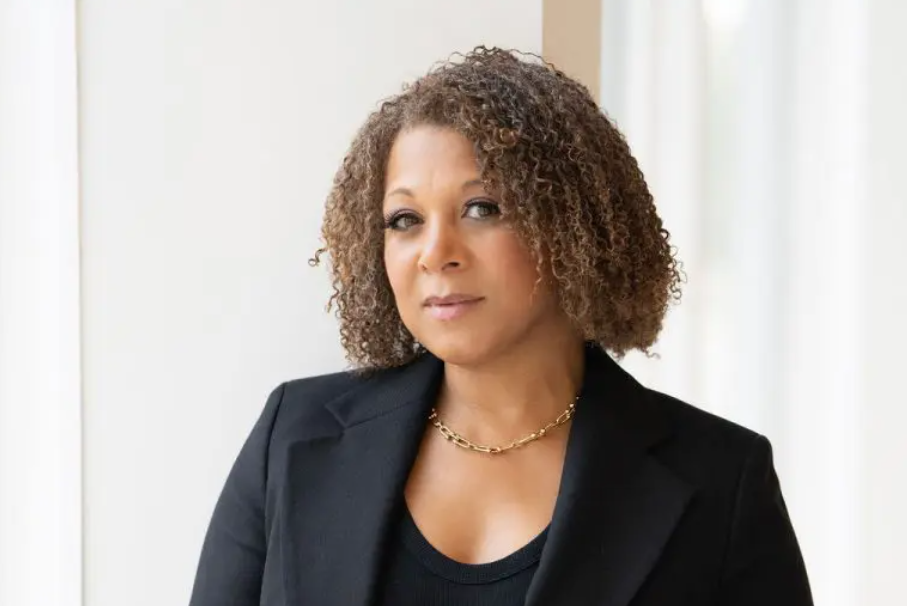
Almost four generations of Mikeya Griffin’s family have called Rondo home. Now she leads the community land trust working to rebuild what a highway once tore apart, from affordable housing to Golden Thyme, the neighborhood coffee shop she helped turn into a full restaurant and bar. What is the history of Rondo, and what happened when the highway came through? A Black couple drove north from Port Gibson, Mississippi in the late 1930s or early 1940s, part of a wave of families who left the South for northern states. When they reached Saint Paul and asked where Black people could live, they were directed to the Rondo neighborhood. At one point, Rondo was home to about 80% of the Black people living in Minnesota. My family’s history in the community goes back almost four generations. It was a thriving African American community with day laborers, doctors and lawyers living side by side, and a mutual aid society that held it together, even though some of that closeness came from forced segregation. Like more than 875 communities across the United States, Rondo was divided when highway infrastructure cut through it. I call it the first deep physical wound to the community, but it did not stop the resilience of the people who lived there, because I grew up in Rondo myself. That first wave, more than 700 homes and 300 businesses affected by the highway, was the start of continued disinvestment in the neighborhood. How did you get involved with the Rondo Community Land Trust? Rondo Community Land Trust started about 35 years ago, when community members came together after seeing families still being displaced and losing access to homeownership even after the highway was built. They wanted to preserve affordable housing and ownership in the neighborhood, and that is how the land trust began. I did not start it then, I came on almost five years ago after getting a call asking if this was something I wanted to do. I have a 25 to 30 year history in community development, and I felt it was time to bring my skills home and make a difference in my own community. Rondo has an incredibly rich history that people know even outside Minnesota. I was in Ireland once and mentioned I was from Rondo, and someone asked if we still have Rondo Days. That history is real, but the presence of Black culture and community here is eroding. That is one of the reasons I took this job, to reclaim land, reestablish our culture and help people put down roots and stay. What has the Land Trust done since it started, and what does it control now? We are more than a residential land trust. We are a commercial community land trust, so we support small businesses through long term stability and affordable commercial real estate, whether that is rental or ownership. We support the arts, and we just opened the Rondo African American Arts and Cultural District, a mile and a half stretch on Selby Avenue in Saint Paul. We put up district flags and worked with local artists on murals that tell Rondo’s history. We are preserving legacy in the community too. We purchased a long standing coffee shop and turned it into a restaurant and bar while keeping the coffee shop running. We also run a small business incubator and are developers ourselves. All of it comes back to community led development, working with residents on what they need and want. Becoming a commercial land trust came from community members asking how we could keep our commercial spaces from being pushed out along with our businesses, and we found a way to answer that. You mentioned the coffee shop, can you tell us about Golden Thyme? Golden Thyme is more than a restaurant, bar and coffee shop. It is one of the few Black owned businesses left on Selby Avenue, and it is a place where people come for news and community... Read the full article on RollingOut.com.
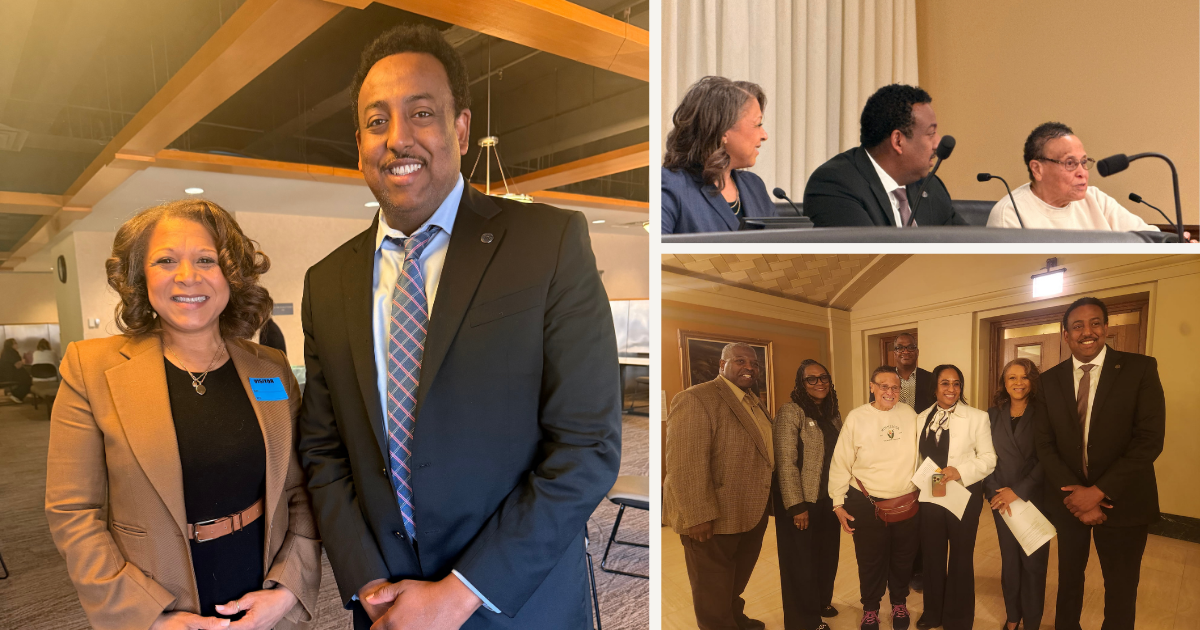
Rondo CLT advances its mission in many places, from homes and businesses to development sites and community spaces. It also means bringing Rondo’s priorities directly to policymakers and making sure the community has a voice in decisions about land, infrastructure, and investment. During the 2026 Minnesota Legislative Session, Fatima Moore of Firefly Advocacy played a key role in that work, partnering closely with Rondo CLT leadership to advance the vision for the former Sears site, build relationships at the Capitol, and make the case for public investment in community-led development. We caught up with Fatima to talk about what Rondo CLT accomplished during the session, why the former Sears site became such an important focus, and how the advocacy continues long after lawmakers leave the Capitol: What were your main priorities for Rondo CLT during the 2026 legislative session? Our primary priority was introducing lawmakers to Rondo CLT’s vision for the former Sears site and beginning to build the public-investment strategy needed to move the property from planning toward district-scale development. Rondo pursued a $43 million state capital investment request for the underground infrastructure and other public improvements necessary to prepare the site for development. Just as importantly, we worked to position the project as more than an individual real estate development. The Sears site represents an opportunity to reconnect the Capitol Area, Rice Street, the Green Line, and surrounding neighborhoods while creating housing, commercial activity, community ownership, and long-term economic opportunity. The project is also an important step toward land reclamation for the Rondo community. What progress or wins are you most proud of from the session? One of the most important accomplishments was securing a hearing before the House Capital Investment Committee through HF 4617. The hearing gave Rondo CLT the opportunity to formally present the Sears site vision, explain the need for public infrastructure investment, and begin building a legislative record for the project. Although the $43 million request was not included in the final capital-investment package, the hearing moved the project from a community vision to a serious conversation at the Capitol. We expanded lawmakers’ understanding of the site, developed relationships with potential champions, and established a stronger foundation for future state investment. I am also proud that we began shifting policymakers' understanding of Rondo CLT, shifting their view from solely a traditional community land trust to recognizing it as a community-led, district-scale development and economic development partner. Were there any key pieces of legislation, funding efforts, or policy conversations that were especially important to Rondo CLT’s mission? HF 4617 and the associated $43 million infrastructure request were central to our legislative work. The request focused on the public infrastructure necessary to unlock a much larger district-scale redevelopment and leverage significant private, philanthropic, and community investment. The broader policy conversation was also important: how can public investment help repair the harm caused by previous public decisions? The land surrounding the former Sears site was once home to Black Rondo residents before families were displaced and community wealth was disrupted by the construction of Interstate 94. Redeveloping the site creates an opportunity to reclaim land and place while building new pathways to ownership, entrepreneurship, housing, and shared prosperity. Additionally, the Sears site is not meeting its full potential in terms of tax-generating revenue. Developing the site and placing it on the state's tax base is important for the state, the city, and the Rondo Community. Having this discussion was valuable, as that's something many policymakers also care about. How did you help make the case for Rondo CLT’s work with lawmakers and other stakeholders? Firefly Advocacy helped translate Rondo CLT’s vision into a clear governmental and public-investment case. We developed the legislative strategy, secured bipartisan support and prepared for the House hearing, worked with legislative authors and staff, coordinated outreach, developed testimony and briefing materials, and helped Rondo leadership communicate the site's economic significance and historical importance. Our message was that public infrastructure investment in the Sears site would not support a single building or isolated project. It would help unlock a district-scale development to create housing, commercial and community spaces, jobs, business opportunities, an expanded tax base, and long-term community ownership. We also emphasized a central truth about the project: this is more than redevelopment. It is the reclamation of land and place and an opportunity to create economic opportunity and community wealth where both were once taken. Why is advocacy at the Capitol important to Rondo CLT’s broader work? Rondo CLT’s work is shaped by decisions made at every level of government. State policies and investments affect housing affordability, infrastructure, economic development, transportation, community ownership, and whether large-scale projects can move from vision to implementation. Advocacy ensures that the Rondo community is not simply responding to decisions after they have been made. It gives Rondo CLT a direct voice in shaping the policies, funding priorities, and partnerships that will determine the future of the Sears site and the broader Rondo community. It also creates an opportunity to show policymakers that community ownership and economic growth can, and should, happen together. What should Rondo CLT supporters know about the work that continues after the session ends? The end of the legislative session is not the end of the advocacy. In many ways, the period between sessions is when the next opportunity is built. The work continues through conversations with legislators, the Governor’s Office, state agencies, the City of Saint Paul, the Capitol Area Architectural and Planning Board, and other public and private partners. We are continuing to refine the infrastructure and funding strategy, strengthen relationships with decision-makers, align the Sears site with broader Capitol Area and Rice Street planning, and prepare for the next legislative session. Supporters should know that securing major public investment often requires a multiyear strategy. The 2026 session created an important foundation. Our work now is to build on that progress and assemble the partnerships, political support, planning, and public-investment pathways needed to move the district-scale vision forward. The 2026 session helped Rondo CLT build momentum, strengthen relationships, and bring a bigger vision for community-led development into conversations at the Capitol. But as Fatima makes clear, meaningful progress often takes more than one legislative session. Rondo CLT and Fatima will continue building the partnerships, public support, and investment strategy needed to move the former Sears site forward while advocating for a future where community ownership and economic growth go hand in hand. That work reflects a larger commitment at the heart of Rondo CLT’s mission: ensuring the community has a meaningful role not only in what gets built, but in shaping and benefiting from what comes next.
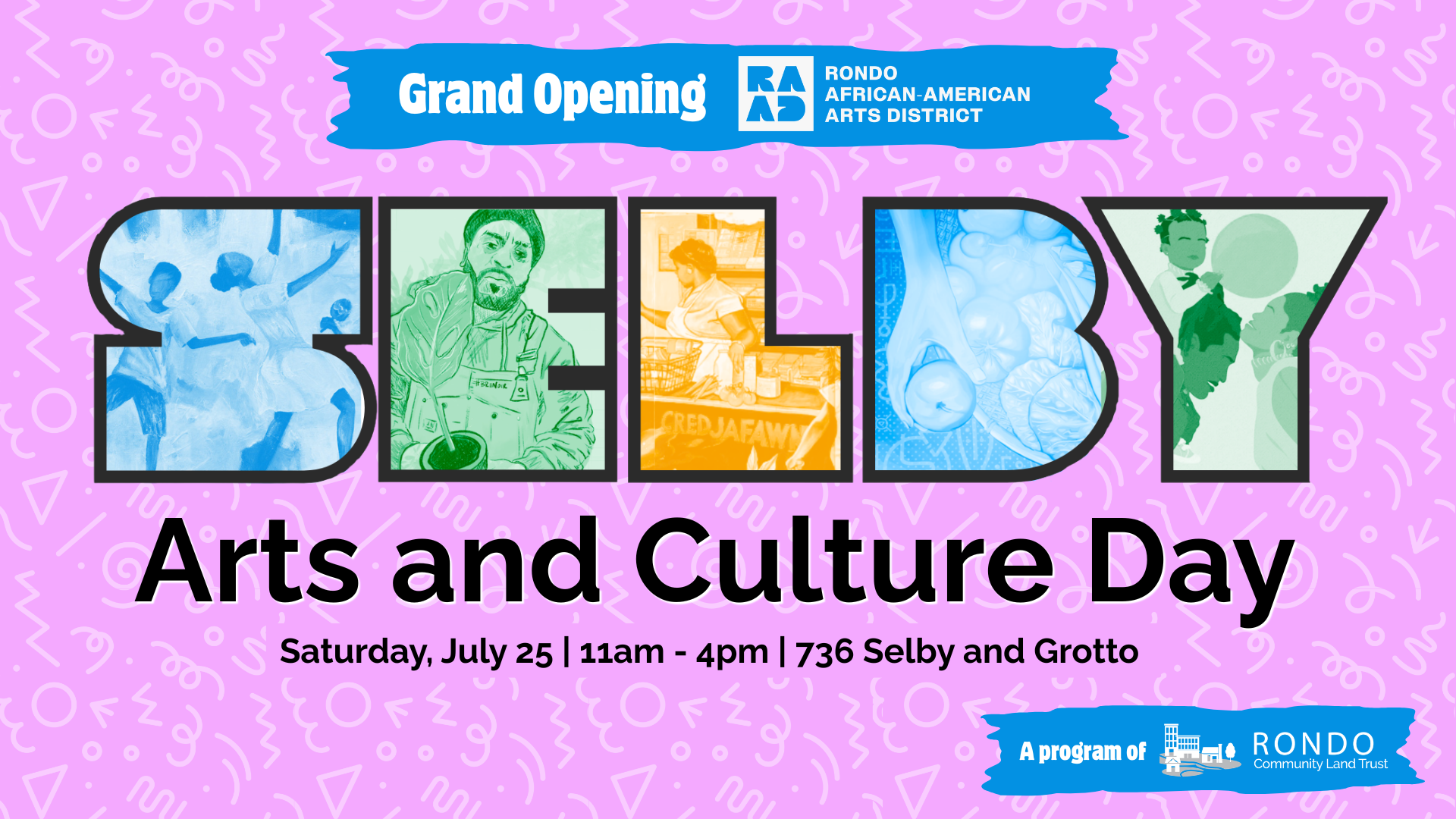
Join us for the Grand Opening of the Rondo African-American Arts District!
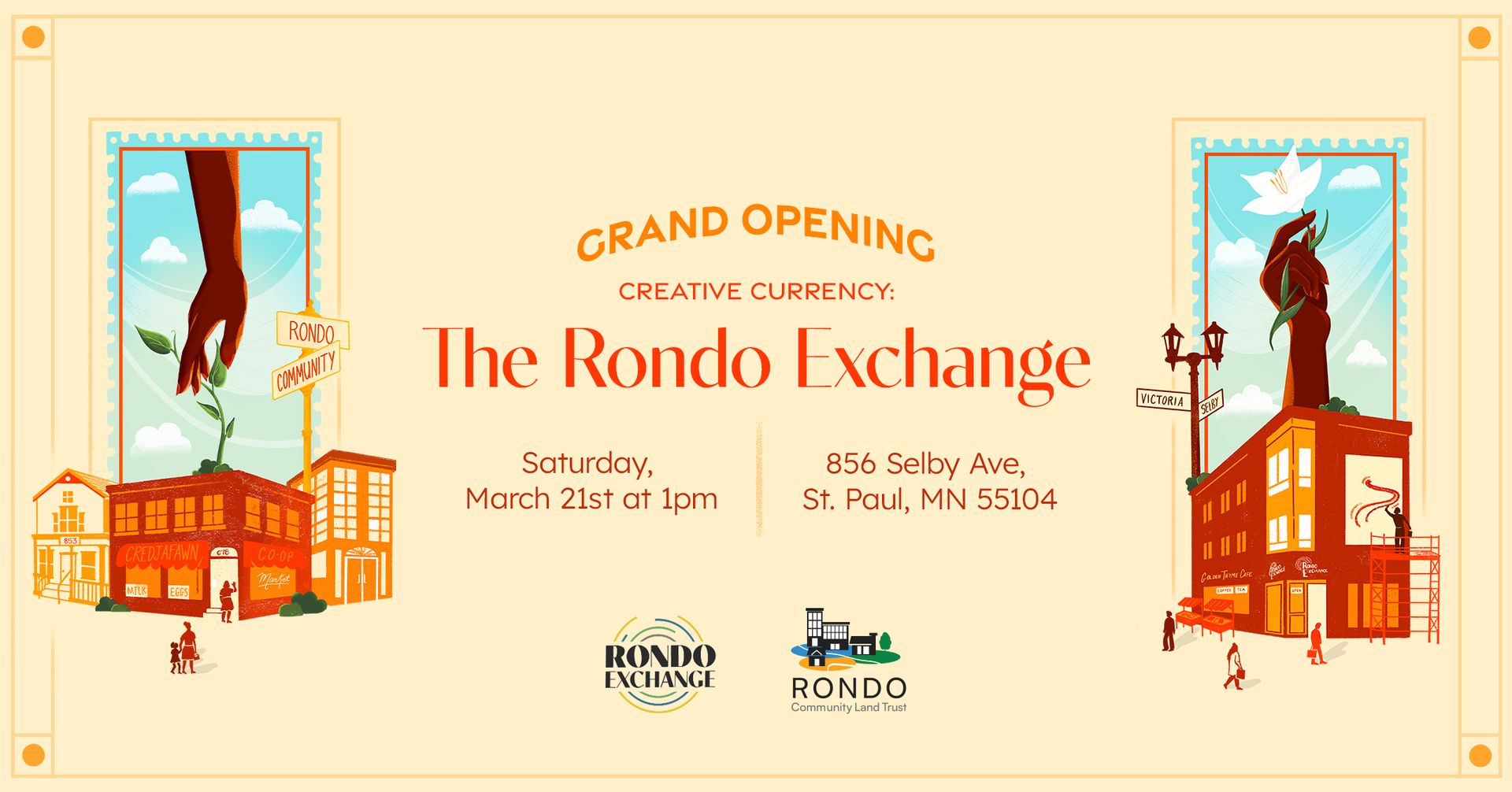
Creative Currency: The Rondo Exchange Grand Opening!
Fostering Small Business Growth Through Affordable Office Space
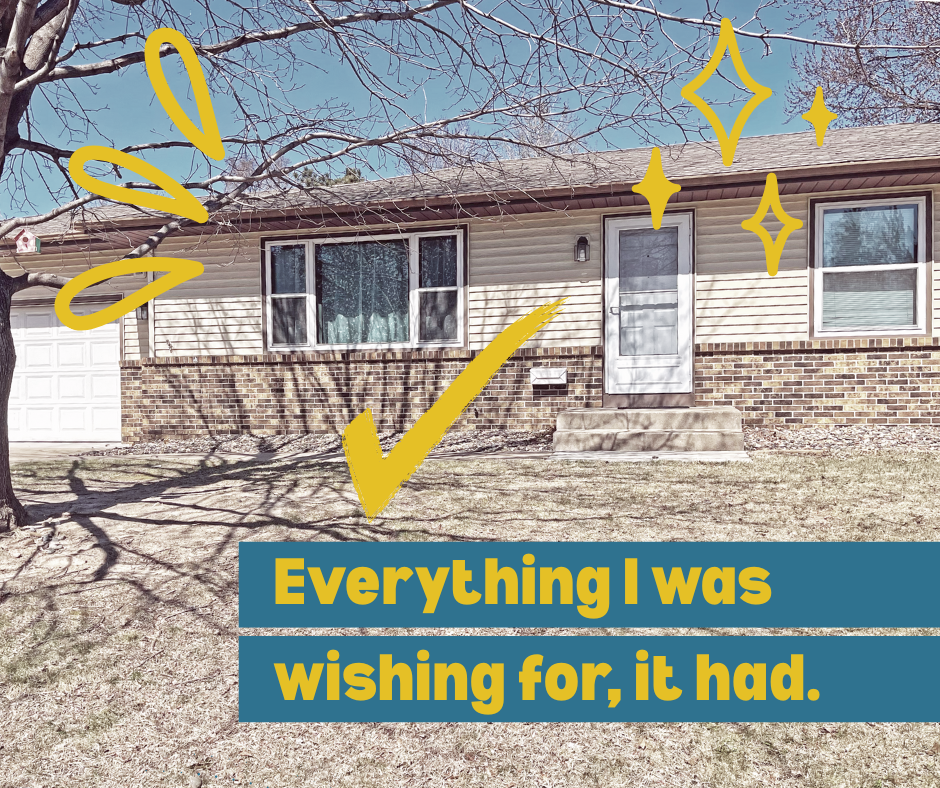
Wondwosen’s Journey to Homeownership Growing up in Ethiopia, Wondwosen Gebrehiwot’s family owned a home. As a father of three, Wondwosen wanted the same for his three children when he moved to the United States six years ago—but he simply couldn’t afford the high cost of homeownership in the Twin Cities, where affordable homeownership opportunities were scarce. “We were living in an apartment in Roseville, and it was very difficult living there,” he said, “really hard raising three children in an apartment.” But then someone he knew said he’d bought a house, with the support of Rondo Community Land Trust. “That’s when I found out there was such an option,” Wondwosen said, “so I directly contacted them and saw they have a one-hour orientation. I registered right away.” Soon, Wondwosen and his family were looking for a home in Ramsey County. Before long, they found the perfect three-bedroom, “Everything I was wishing for, it had,” he says. A large living room, three bedrooms together on the second level, and even a big backyard with playground equipment. How Rondo CLT Made Homeownership Affordable Through Rondo CLT’s Homebuyer Initiated Program, households earning at or below 80% of the Area Median Income (AMI) receive homeownership assistance in the form of affordability grants to purchase homes in Ramsey County. The process length varies but, for Wondwosen it took just seven months — from applying to the program to closing on his home. Benefits of Homeownership: Space, Freedom, and Peace of Mind “The day we moved in, it was the happiest moment of our lives,” Wondwosen recalls. “We were all running all over the place. We were very excited about it. We cannot wait until the weather gets warmer and spend the day out in the backyard.” And he’s able to rest assured that, after he’s been in the home for six months, Rondo CLT will be there to assist with necessary rehabilitations. For Wondwosen and his family, homeownership is so much more than a roof over their heads. “The first thing is freedom,” he says. “It’s a free space. My kids can play in whatever area they want to play in. I was thinking about their freedom.” Learn more about the Homebuyer Initiated Program or contact Rondo CLT to explore your own homeownership journey. Feeling inspired? Support Rondo CLT and help more families thrive in Saint Paul.
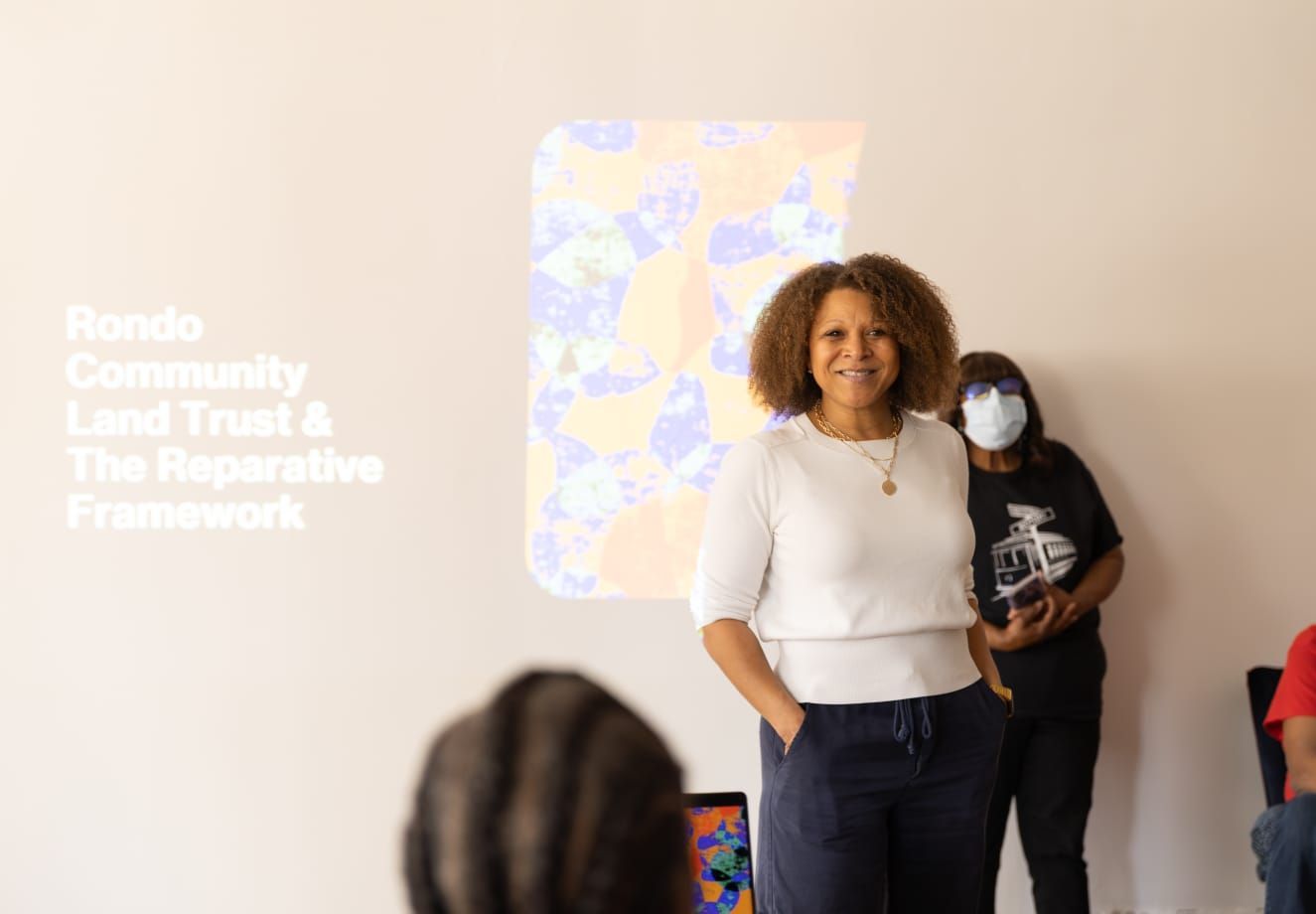
As many Organization's celebrate Black History Month in February, Rondo Community Land Trust is proud to be making Black history every day of the year. As we lift up everywhere we go, the community land trust model in the United States was born of Black brilliance. Last February, we wrote about the origin of CLTs in the American South with the establishment of New Communities — a model created explicitly so Black folks could own and control land to shape their own collective futures. In 1993, Rondo became the first CLT in the state of Minnesota, and for the past three decades we’ve embodied principles of cooperative stewardship. In deep collaboration with our community, we’ve secured and preserved property and land so that the Black families and businesses that were dispossessed by the destruction of the I-94 freeway can return — and new Black families and businesses can put down roots. Like our Rondo ancestors who made history with cooperative endeavors like the Credjefawn Social Club and grocery store, Rondo CLT is breaking new ground, gaining international recognition for its innovative Reparative Development Framework that incorporates principles of culture, healing, democratic labor and shared ownership. So as we honor Black History this month, we’re looking back at how our efforts in 2024 contributed to the past and future prosperity of Rondo, Saint Paul, and greater Ramsey County. Advancing Black leadership As an organization, we’ve gathered tremendous momentum in recent years. Since the arrival of our current Executive Director (and daughter of Rondo), Mikeya Griffin, our budget has increased from just $300,000 in 2021 to more than $2.4 million in 2024, and from 1.5 full-time staff in 2021 to 7 FTE in 2024. But it’s more than just financial capacity. Appointed in 2022, Mikeya continues to be the first Black chair of the Minnesota Community Land Trust Coalition and, in 2024, our staff was more than 50% Black. By spring 2025, we aim to grow to 10 staff, increasing our outreach and impact of our innovative reparative framework.